
Tulsi Shyam Temple Gujarat – Ultimate History & Travel Guide 2026
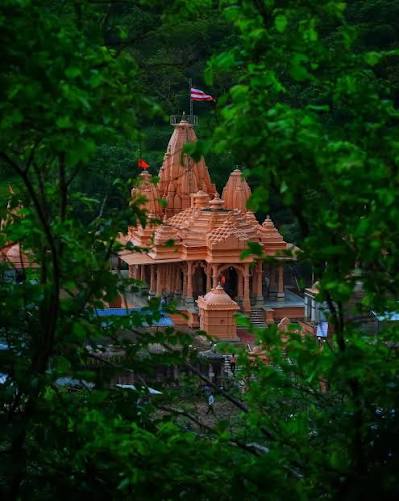
Tulsi Shyam Temple – A Sacred Sanctuary of Lord Krishna in the Heart of Gir Forest, Gujarat
Introduction
Hidden deep within the lush forests of Gujarat’s famous Gir National Park lies one of India’s most peaceful and spiritually significant pilgrimage destinations—Tulsi Shyam Temple. Surrounded by rolling hills, dense woodlands, natural hot water springs, and the rich biodiversity of the Gir landscape, this ancient temple offers visitors a unique combination of spirituality, mythology, history, and natural beauty.
Unlike many temples that are built in crowded cities or busy towns, Tulsi Shyam Temple stands quietly in the middle of nature, where the sounds of birds, flowing streams, and gentle forest winds create an atmosphere of complete peace. It is a place where faith meets wilderness, making it one of the most unique religious destinations in western India.
For centuries, devotees have believed that this sacred temple is blessed by Lord Krishna, also known as Shyam, one of the most beloved deities in Hinduism. Every year, thousands of pilgrims, nature lovers, photographers, historians, and travelers visit this holy site to seek blessings, experience its mystical surroundings, and witness the famous natural hot water springs located beside the temple.
Whether you are a spiritual seeker, a history enthusiast, or an adventurous traveler exploring Gujarat, Tulsi Shyam Temple promises an unforgettable journey filled with devotion, culture, and natural wonder.
Where is Tulsi Shyam Temple Located?
Tulsi Shyam Temple is situated inside the Gir Forest region in the western Indian state of Gujarat, specifically in the Gir Somnath district. The temple is surrounded by thick forests, scenic hills, and protected wildlife habitats, making it one of the few temples in India where visitors can experience both religious heritage and untouched nature in the same journey.
The temple is located approximately:
- Around 65 km from Dhari
- Around 95 km from Junagadh
- Around 110 km from Somnath
- Around 130 km from Sasan Gir
- Around 170 km from Amreli
- Around 380 km from Ahmedabad
The drive toward Tulsi Shyam is considered one of Gujarat’s most scenic road journeys. Visitors travel through winding forest roads where they may encounter peacocks, deer, nilgai, monkeys, and, on rare occasions, even the majestic Asiatic Lion, the pride of Gir National Park.
Unlike modern tourist attractions filled with commercial activities, Tulsi Shyam offers visitors an authentic experience where spirituality exists in harmony with nature.
Why is it Called “Tulsi Shyam”?
The name Tulsi Shyam carries deep religious significance.
The word “Shyam” is one of the many sacred names of Lord Krishna, referring to His beautiful dark-blue complexion. Throughout Hindu scriptures, Lord Krishna is lovingly addressed as Shyam, Ghanshyam, Madhav, and Govinda.
The word “Tulsi” refers to the sacred Holy Basil plant (Ocimum tenuiflorum), one of the most revered plants in Hinduism. Tulsi is considered the favorite offering of Lord Vishnu and Lord Krishna. Devotees believe that no worship of Lord Krishna is complete without offering Tulsi leaves.
According to traditional beliefs, the temple earned the name Tulsi Shyam because Lord Krishna was worshipped here with great devotion using sacred Tulsi leaves. Over generations, this spiritual association became so strong that the place itself became known as Tulsi Shyam.
Even today, pilgrims continue this ancient tradition by offering fresh Tulsi leaves, flowers, fruits, and prayers to the deity, symbolizing pure devotion and surrender to the Divine.
The Ancient History of Tulsi Shyam Temple
The history of Tulsi Shyam Temple stretches back many centuries and is deeply connected with Gujarat’s rich spiritual traditions. Although historians differ on the exact date of its original construction, local traditions suggest that the sacred site has been worshipped for well over a thousand years.
Unlike monuments that are remembered only through written records, Tulsi Shyam has preserved its identity through generations of oral traditions, temple rituals, and continuous worship.
Ancient travelers and saints are believed to have visited this sacred location while journeying across western India. The surrounding forests were once home to sages and hermits who practiced meditation and spiritual disciplines far away from the distractions of urban life.
The peaceful environment, abundant natural resources, flowing streams, and geothermal springs made this region an ideal place for spiritual practice. Over time, a temple dedicated to Lord Krishna emerged, becoming an important center of devotion for nearby villages and pilgrims traveling through the Kathiawar region.
Historical references indicate that the temple underwent several renovations over different periods as local rulers, devotees, and charitable communities helped preserve the sacred site. While the structure seen today includes later architectural additions, its spiritual significance has remained unchanged for centuries.
Generations of priests have continued daily worship without interruption, preserving ancient rituals that connect modern visitors with traditions practiced by countless devotees before them.

Tulsi Shyam in Hindu Mythology
Tulsi Shyam Temple is not only an important historical site but also a place deeply rooted in Hindu mythology.
According to popular local traditions, this sacred location is associated with Lord Krishna, the eighth incarnation of Lord Vishnu. After the great events described in the Mahabharata, Lord Krishna is believed to have traveled across several regions of western India. Many devotees believe that Tulsi Shyam was one of the divine places blessed by His presence.
Although different legends exist, the common belief is that Lord Krishna visited this peaceful forest region, bringing divine energy to the land. Because of this sacred connection, devotees began worshipping Him here as Shyam.
Another local belief suggests that saints and sages experienced divine visions of Lord Krishna while performing meditation in these forests. Inspired by these spiritual experiences, they established a shrine that gradually evolved into the temple seen today.
The mythology surrounding Tulsi Shyam reflects an important idea found throughout Hindu philosophy—that the Divine is not limited to grand cities or magnificent palaces but is equally present in forests, rivers, mountains, and every corner of nature.
This belief gives Tulsi Shyam a unique spiritual identity. The temple is not merely a place of worship; it represents the harmony between humanity, nature, and the Divine.
A Temple Hidden Inside Nature
One of the most extraordinary features of Tulsi Shyam Temple is its location. Unlike many famous pilgrimage destinations surrounded by busy marketplaces, Tulsi Shyam remains peacefully nestled within the Gir Forest landscape.
As visitors approach the temple, the scenery gradually changes. Wide highways give way to narrow forest roads lined with native trees, rocky hills, and seasonal streams. The fresh air, the songs of birds, and the silence of the wilderness create a deeply calming atmosphere long before the temple comes into view.
This natural setting has played a significant role in shaping the temple’s spiritual identity. For centuries, pilgrims have described the journey itself as an act of devotion. The peaceful surroundings encourage reflection, gratitude, and inner calm, making every visit feel like a retreat into nature.
Many visitors describe Tulsi Shyam as more than just a destination—it is an experience where ancient faith, untouched wilderness, and timeless traditions exist together in perfect harmony.
The combination of sacred heritage and natural beauty has made Tulsi Shyam one of Gujarat’s most cherished spiritual landmarks, attracting people from different regions, cultures, and backgrounds who seek peace, blessings, and a deeper connection with nature.
Tulsi Shyam Temple Architecture, Sacred Idol, Hot Water Springs, Religious Importance, and Spiritual Traditions
The Architecture of Tulsi Shyam Temple
Although Tulsi Shyam Temple is not among the largest temples in India, its architectural beauty lies in its simplicity, authenticity, and spiritual atmosphere rather than monumental size. The temple reflects the traditional style of temple construction found across western India, where sacred structures were designed to blend naturally with the surrounding landscape instead of dominating it.
Over the centuries, the temple has undergone several renovations and restorations to preserve its structure while maintaining its ancient character. Today, visitors can still experience the timeless charm of a pilgrimage site that has welcomed devotees for generations.
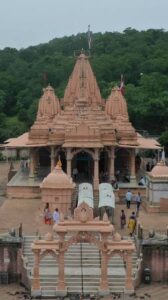
The temple complex is built using locally available stone, giving it a natural appearance that harmonizes with the rocky hills and forests surrounding the area. The entrance welcomes pilgrims into a peaceful courtyard where the sounds of bells, devotional chants, and prayers create an atmosphere of deep serenity.
One of the most beautiful aspects of the temple is its peaceful environment. Unlike crowded urban temples filled with commercial activity, Tulsi Shyam allows visitors to experience moments of silence and reflection. Every corner of the temple encourages prayer, meditation, and gratitude.
Inside the sanctum, the lighting is intentionally soft, creating a calm and sacred atmosphere where devotees can focus entirely on worship. The fragrance of incense, fresh flowers, and sacred Tulsi leaves fills the air, making every visit a deeply spiritual experience.
The architecture is not designed to impress through luxury but to inspire devotion through simplicity. This timeless approach reflects one of the oldest principles of Hindu temple design—that a sacred place should guide the mind toward inner peace rather than material grandeur.
The Sacred Idol of Lord Shyam
The heart of Tulsi Shyam Temple is the revered idol of Lord Shyam, a beloved form of Lord Krishna, who is worshipped as an incarnation of Lord Vishnu, the Preserver in the Hindu Trinity.
The deity is lovingly decorated every day with beautiful garments, flower garlands, ornaments, sandalwood paste, and sacred Tulsi leaves. Each decoration reflects the devotion of countless devotees who believe that serving the Lord with love is one of the highest forms of worship.
The word “Shyam” refers to Lord Krishna’s dark, radiant complexion, often described in ancient scriptures as resembling rain-filled clouds. Devotees believe that simply seeing the divine image with a pure heart brings inner peace, hope, and spiritual strength.
Every morning, priests perform sacred rituals that include:
- Bathing the deity with holy water.
- Offering fresh flowers and Tulsi leaves.
- Lighting oil lamps.
- Chanting ancient Vedic hymns.
- Performing devotional prayers.
- Offering traditional food as sacred offerings.
Throughout the day, pilgrims gather before the deity to offer prayers for health, prosperity, wisdom, happiness, and family well-being.
For many devotees, the experience is deeply emotional. Standing before the sacred idol after traveling through the peaceful forests of Gir creates a powerful feeling of connection with the Divine that remains in the heart long after the journey ends.

The Famous Natural Hot Water Springs (Tapt Kund)
One of the most extraordinary attractions of Tulsi Shyam is its natural hot water springs, locally known as Tapt Kund.
These geothermal springs have fascinated pilgrims, travelers, and scientists for centuries. Even though the temple is surrounded by forests and receives relatively cool weather during winter, water continuously emerges from underground at naturally high temperatures throughout the year.
Several stone bathing pools have been built around these springs so that pilgrims can safely experience the warm mineral-rich water before offering prayers at the temple.
According to traditional beliefs, bathing in these sacred waters helps cleanse both the body and the mind. Many devotees believe the springs possess divine blessings and symbolize spiritual purification before entering the temple.
From a scientific perspective, the hot water originates from underground geothermal activity. As rainwater seeps deep beneath the Earth’s surface, it is naturally heated by underground rocks before returning to the surface through natural fractures. During this process, the water absorbs various naturally occurring minerals.
Although many visitors believe the mineral-rich water may provide comfort for tired muscles and joints, these beliefs are based on traditional practices and personal experiences rather than universal medical evidence.
The warm springs remain one of Gujarat’s rare natural geothermal attractions and continue to draw visitors from across India.
The unique combination of an ancient temple and naturally occurring hot springs makes Tulsi Shyam unlike almost any other pilgrimage destination in western India.
Religious Importance of Tulsi Shyam Temple
Tulsi Shyam Temple holds immense spiritual significance for devotees of Lord Krishna and Lord Vishnu.
For centuries, pilgrims have believed that sincere prayers offered here are heard with compassion and divine grace. Families visit the temple seeking blessings for good health, successful careers, peaceful marriages, academic success, and protection from life’s difficulties.
The temple also serves as an important destination for those observing religious pilgrimages across Gujarat. Many devotees include Tulsi Shyam in a larger spiritual journey that may also cover Somnath, Dwarka, Girnar, and other sacred sites.
One of the reasons this temple is so deeply respected is its peaceful environment. Hindu philosophy often teaches that spiritual growth becomes easier when the mind is calm and free from distractions. Surrounded by forests, birds, hills, and flowing natural beauty, Tulsi Shyam naturally creates such an atmosphere.
Many visitors spend extended periods quietly meditating within the temple premises after offering prayers. The combination of silence and nature allows pilgrims to experience a rare sense of inner balance that is difficult to find in modern urban life.
The Spiritual Connection Between Nature and Worship
Tulsi Shyam beautifully reflects one of the oldest principles of Hindu philosophy—that nature itself is sacred.
The forests surrounding the temple are not viewed merely as wilderness but as part of the Divine creation. Trees, rivers, mountains, animals, and birds are all respected as expressions of the same universal life force.
This belief is especially meaningful because the temple stands within the Gir ecosystem, one of India’s most important protected natural landscapes.
Visitors often notice that their spiritual experience begins long before reaching the temple. The peaceful forest roads, fresh air, gentle sounds of wildlife, and beautiful scenery gradually prepare the mind for prayer.
Many pilgrims describe this journey as a form of meditation in itself.
Rather than separating spirituality from nature, Tulsi Shyam reminds visitors that protecting forests, wildlife, and natural resources is also a sacred responsibility.
Miracles and Local Beliefs
Like many ancient pilgrimage sites, Tulsi Shyam is surrounded by numerous local stories and devotional traditions that have been passed from one generation to another.
Many devotees believe that sincere prayers offered with faith at the temple bring emotional strength, hope, and positive changes in life. Some families return every year to express gratitude after achieving personal milestones, recovering from hardships, or fulfilling long-held wishes.
Local residents also speak of the temple’s peaceful energy, describing it as a place where visitors experience relief from stress, anxiety, and emotional burdens simply by spending time in prayer and quiet reflection.
While these experiences are deeply meaningful to believers, they are based on personal faith and tradition rather than verifiable historical or scientific evidence. For many pilgrims, however, the spiritual value of Tulsi Shyam lies not in proving miracles but in the sense of peace, devotion, and hope they experience during their visit.
Festivals Celebrated at Tulsi Shyam Temple
Throughout the year, Tulsi Shyam Temple comes alive during several important Hindu festivals, attracting thousands of devotees from different parts of Gujarat and neighboring states.
Some of the most significant celebrations include:
Janmashtami
The birth anniversary of Lord Krishna is the temple’s most important festival. The temple is beautifully decorated with flowers, lights, and colorful ornaments. Devotional songs, bhajans, and special prayers continue throughout the day and often into the night, creating a joyful and spiritually uplifting atmosphere.
Sharad Purnima
This full moon festival is associated with Lord Krishna’s divine pastimes. Devotees gather to offer prayers and seek blessings under the serene moonlit sky, making the celebration especially peaceful.
Kartik Purnima
Observed during the sacred month of Kartik, this festival attracts many pilgrims who believe that prayers offered during this time carry special spiritual significance.
Other Hindu Festivals
Festivals such as Diwali, Holi, Ram Navami, and various Ekadashi observances are also celebrated with devotion. During these occasions, the temple becomes a vibrant center of worship while still retaining its calm and welcoming atmosphere.
Daily Worship and Temple Traditions
The daily routine at Tulsi Shyam Temple follows traditional Hindu customs that have been preserved for generations.
Every day begins with the Mangala Aarti, the first prayer offered to awaken the deity. Throughout the day, priests perform rituals that include the offering of flowers, Tulsi leaves, incense, lamps, devotional hymns, and sacred food.
Devotees participate by chanting prayers, meditating, making offerings, and receiving Prasad, the blessed food distributed after worship.
As evening approaches, the temple hosts the Sandhya Aarti, when the sound of bells, conch shells, and devotional singing fills the temple complex. Many visitors consider this evening ceremony one of the most peaceful and spiritually moving experiences at Tulsi Shyam.
These daily traditions continue to preserve the temple’s sacred atmosphere, connecting modern pilgrims with centuries of uninterrupted devotion.
Travel Guide to Tulsi Shyam Temple – Best Time to Visit, How to Reach, Nearby Attractions, Wildlife, Travel Tips, FAQs, and Conclusion
Best Time to Visit Tulsi Shyam Temple
Tulsi Shyam Temple welcomes visitors throughout the year, but each season offers a different experience. The surrounding Gir Forest transforms with changing weather, making every visit unique.
Winter (October to February) – The Ideal Season
Winter is widely considered the best time to visit Tulsi Shyam Temple. The weather remains pleasant, with daytime temperatures generally ranging between 18°C and 28°C (64°F to 82°F). The cool climate makes it comfortable for temple visits, sightseeing, photography, and exploring the surrounding forest.
The clear skies and fresh air also provide excellent opportunities for nature lovers to enjoy the scenic beauty of Gir.
Monsoon (July to September) – Nature at Its Greenest
During the monsoon season, the forests surrounding Tulsi Shyam become lush and vibrant. Hills are covered with fresh greenery, seasonal streams begin flowing, and the landscape looks incredibly beautiful.
Although the scenery is breathtaking, visitors should remember that heavy rainfall may affect road conditions, and travel plans should be made carefully.
Summer (March to June)
Summers in this region can be quite warm, with temperatures occasionally exceeding 40°C (104°F). Early morning or evening visits are generally more comfortable during this season.
Interestingly, even during the hot summer months, the peaceful atmosphere and natural hot water springs continue to attract pilgrims and travelers.
How to Reach Tulsi Shyam Temple
Despite being located deep inside the Gir Forest region, Tulsi Shyam Temple is well connected by road from many cities in Gujarat.
By Road
Driving is the most convenient way to reach the temple. Well-maintained roads connect Tulsi Shyam with nearby towns and cities.
Approximate driving distances include:
- Ahmedabad – 380 km
- Rajkot – 180 km
- Junagadh – 95 km
- Somnath – 110 km
- Amreli – 170 km
- Dhari – 65 km
- Sasan Gir – approximately 130 km
The final stretch through the Gir Forest is particularly scenic, offering beautiful views of forests, hills, and wildlife habitats.
By Rail
The nearest major railway stations include:
- Junagadh Junction
- Veraval Railway Station
- Rajkot Junction
From these stations, visitors can hire taxis or use local transportation to reach the temple.
By Air
The nearest airports include:
- Rajkot Airport
- Diu Airport
- Keshod Airport (limited connectivity)
Visitors arriving from major Indian cities usually continue their journey by road after reaching one of these airports.
Wildlife Around Tulsi Shyam
One of the most fascinating aspects of Tulsi Shyam is that it lies within the broader Gir ecosystem, one of India’s most important wildlife regions.
The surrounding forests support remarkable biodiversity and provide habitat for numerous species of birds, mammals, reptiles, and plants.
Visitors may encounter:
- Chital (Spotted Deer)
- Sambar Deer
- Nilgai (Blue Bull)
- Wild Boar
- Indian Porcupine
- Langurs
- Peacocks
- Eagles
- Kingfishers
- Owls
- Numerous butterfly species
The region is also famous for being home to the Asiatic Lion, the world’s only remaining wild population of this remarkable species.
Although lion sightings are uncommon near the temple itself, travelers driving through the forest should always remain alert and follow all instructions issued by forest authorities.
The wildlife surrounding Tulsi Shyam adds a unique dimension to the pilgrimage, allowing visitors to appreciate both spiritual heritage and ecological richness.
Flora of the Gir Forest
The Gir landscape is equally rich in plant life.
The forests surrounding Tulsi Shyam include a mixture of dry deciduous vegetation, grasslands, thorn forests, and riverine ecosystems.
Common tree species include:
- Teak
- Acacia
- Banyan
- Neem
- Tamarind
- Jamun
- Flame of the Forest
- Babul
- Dhavdo
These forests provide shelter and food for countless birds and animals while also helping maintain the ecological balance of western India.
Walking through this natural environment allows visitors to appreciate why ancient sages selected such peaceful places for meditation and spiritual practice.
Nearby Attractions Around Tulsi Shyam
A visit to Tulsi Shyam can easily be combined with several other fascinating destinations across the Gir region.
Kankai Mata Temple
Located within the Gir Forest, Kankai Mata Temple is one of Gujarat’s most respected pilgrimage destinations. Surrounded by dense forests, the temple attracts thousands of devotees every year who come seeking blessings and peace.
Gir National Park
One of India’s most famous wildlife reserves, Gir National Park is the last natural habitat of the Asiatic Lion.
Visitors can enjoy guided jeep safaris, birdwatching, nature photography, and unforgettable wildlife experiences.
Somnath Temple
One of the twelve sacred Jyotirlingas of Lord Shiva, Somnath Temple is among India’s most important pilgrimage sites. Its magnificent architecture and location beside the Arabian Sea make it a must-visit destination.
Junagadh
Junagadh is a historic city known for:
- Uparkot Fort
- Mahabat Maqbara
- Ashokan Rock Edicts
- Girnar Hills
The city offers a fascinating blend of history, architecture, religion, and culture.
Girnar Hills
Girnar is one of the holiest mountain pilgrimage destinations in India.
Thousands of pilgrims climb its thousands of stone steps every year to visit ancient Hindu and Jain temples located on the mountaintop.
The sunrise views from Girnar are considered truly unforgettable.
Local Food Around Tulsi Shyam
Simple vegetarian meals are available near the temple for pilgrims and visitors.
Travelers exploring the surrounding region can also enjoy authentic Gujarati cuisine, including:
- Gujarati Thali
- Khichdi
- Kadhi
- Thepla
- Rotla
- Sev Tameta
- Undhiyu (seasonal)
- Bajra Rotla
- Fresh Buttermilk
The food served in nearby villages reflects Gujarat’s warm hospitality and traditional cooking methods.
Travel Tips for Visitors
To make your visit comfortable and respectful, consider the following suggestions:
- Wear modest and comfortable clothing suitable for a religious place.
- Carry drinking water, especially during summer.
- Respect temple customs and local traditions.
- Remove footwear before entering the temple.
- Avoid littering and help keep the forest clean.
- Do not disturb wildlife or feed wild animals.
- Follow instructions provided by forest officials.
- Carry a camera to capture the beautiful scenery, but respect any photography restrictions inside sacred areas.
- Start your journey early in the morning if traveling from nearby cities.
Responsible tourism helps preserve both the temple and the surrounding ecosystem for future generations.
Interesting Facts About Tulsi Shyam Temple
- Tulsi Shyam is one of Gujarat’s oldest Krishna pilgrimage sites.
- The temple is located inside the beautiful Gir Forest landscape.
- Natural geothermal hot water springs flow throughout the year.
- The temple combines religious significance with remarkable natural beauty.
- Pilgrims often visit both Tulsi Shyam and nearby Kankai Mata Temple during the same journey.
- The surrounding region supports one of the world’s most important wildlife conservation areas.
- Thousands of devotees visit during Janmashtami celebrations each year.
- The peaceful environment makes Tulsi Shyam an excellent destination for meditation and spiritual reflection.
Frequently Asked Questions (FAQs)
Who is worshipped at Tulsi Shyam Temple?
The temple is dedicated to Lord Shyam, a revered form of Lord Krishna, who is worshipped as an incarnation of Lord Vishnu.
Why is Tulsi Shyam famous?
Tulsi Shyam is famous for its ancient Krishna temple, natural hot water springs, peaceful forest surroundings, and religious significance.
Are the hot water springs natural?
Yes. The hot water springs are naturally heated through geothermal processes occurring beneath the Earth’s surface.
Can families visit Tulsi Shyam?
Absolutely. The temple is a peaceful destination suitable for families, senior citizens, pilgrims, photographers, and nature enthusiasts.
Is photography allowed?
Photography is generally permitted in the surrounding areas, but visitors should always respect temple rules regarding photography inside the sanctum.
Can Tulsi Shyam be visited in one day?
Yes. Many travelers complete a day trip from nearby cities, although staying overnight nearby allows more time to enjoy the surrounding attractions.
Conclusion
Tulsi Shyam Temple is far more than a religious destination—it is a place where faith, history, mythology, nature, and culture come together in perfect harmony.
For centuries, this sacred temple has welcomed pilgrims seeking spiritual blessings, travelers searching for peaceful landscapes, and nature lovers eager to experience the extraordinary beauty of Gujarat’s Gir Forest. Its serene location, ancient traditions, sacred idol of Lord Krishna, naturally occurring hot water springs, and surrounding wildlife create an experience unlike any other pilgrimage site in western India.
A journey to Tulsi Shyam is not simply about reaching a destination. It is about slowing down, reconnecting with nature, embracing centuries-old traditions, and discovering a sense of inner peace that modern life often makes difficult to find.
Whether you visit to offer prayers, admire the surrounding wilderness, explore Gujarat’s rich cultural heritage, or simply enjoy the tranquility of one of India’s hidden spiritual treasures, Tulsi Shyam leaves every visitor with lasting memories and a deeper appreciation for the timeless connection between humanity, nature, and the Divine.
Its enduring legacy continues to inspire generations, reminding us that some of the world’s most meaningful places are not measured by their size or fame, but by the peace they bring to every heart that visits them.
For official tourism information, visitors can refer to Gujarat Tourism.